
What is Door Automation?
Automated doors might feel like something straight out of a sci-fi movie, but they’re a reality we interact with daily. Whether at a shopping mall, hospital, or high-tech home, these systems are all about convenience and efficiency.
Introduction to Door Automation
Understanding the Concept
In the simplest terms, door automation refers to the use of technology to open and close doors without manual effort. These systems rely on sensors, motors, and control mechanisms to perform their magic, making life easier and spaces more accessible.
Why Door Automation is Important
Think about how often your hands are full—carrying groceries, pushing a stroller, or holding a hot coffee. Automated doors eliminate the hassle. They’re not just about convenience; they enhance security, improve accessibility for individuals with disabilities, and even conserve energy.
Enhancing Accessibility, Security, and Efficiency
Door automation is commonly used in various settings such as commercial buildings, hospitals, airports, and residential properties to improve convenience, accessibility, security, and energy efficiency. The systems can be designed to accommodate a wide range of doors, from lightweight internal doors to heavy-duty industrial doors.
How Door Automation Works
Key Components of Door Automation
To understand the mechanics, let’s break it down:
Sensors and Detectors
These are the eyes of the system. Infrared, ultrasonic, or motion sensors detect movement or proximity, signaling the door to operate.
Motors and Actuators
The muscle behind the operation, motors drive the opening and closing actions, while actuators ensure smooth movement.
Control Panels and Software
Think of this as the brain. It processes signals from sensors and sends instructions to the motors, ensuring the door works flawlessly.
The Role of Smart Technology
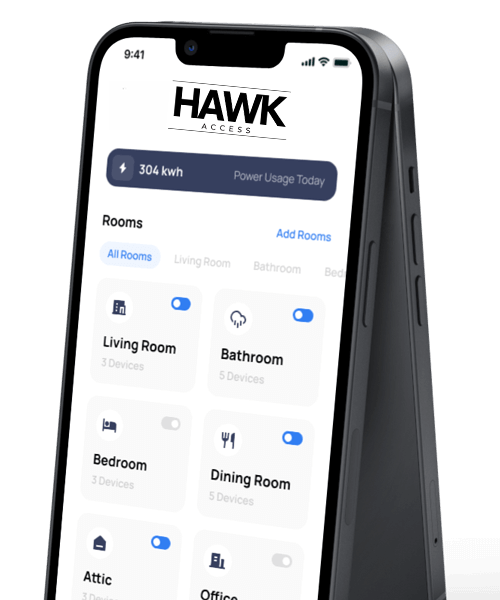
With smart home integration, automated doors can now connect to devices like smartphones, offering advanced features like remote control and monitoring.
Types of Door Automation
- Automatic Sliding Doors:
- Sensor-Based: These doors use infrared or motion sensors to detect people approaching and automatically slide open.
- Remote-Controlled: They can be opened or closed using a remote control, making them ideal for garage doors or large commercial entrances.
- Automatic Swing Doors:
- Push-Button: A simple push-button activates the motor to open or close the door.
- Sensor-Based: Similar to sliding doors, these use sensors to detect people and trigger the opening mechanism.
- Automatic Folding Doors:
- Accordion-Style: These doors fold into a compact space when open, often used in large commercial spaces.
- Sensor-Based: They can be activated by sensors or remote control.
- Automatic Revolving Doors:
- Continuous Rotation: These doors rotate continuously, allowing people to enter or exit from multiple sides.
- Sensor-Based: They use sensors to detect people and adjust their rotation speed accordingly.
Benefits of Door Automation
- Convenience: Doors open and close automatically, eliminating the need for manual effort.
- Accessibility: They are accessible to people with disabilities, promoting inclusivity.
- Security: Automated doors can be integrated with security systems for enhanced protection.
- Energy Efficiency: They can help reduce energy consumption by preventing drafts and heat loss.
| Type | Mechanism | Activation | Applications |
|---|---|---|---|
| Automatic Sliding Doors | Sliding panels | Sensor or remote control | Residential, commercial |
| Automatic Swing Doors | Hinged panels | Push-button or sensor | Residential, commercial |
| Automatic Folding Doors | Folding panels | Sensor or remote control | Commercial, industrial |
| Automatic Revolving Doors | Rotating panels | Sensor | Commercial, public spaces |
- The Future of Door Automation: Maglev Doors
- A recent innovation in the field is the maglev door, which uses magnetic levitation to operate. Unlike traditional doors that rely on mechanical parts, maglev doors float on a cushion of magnetic force, enabling ultra-smooth and silent movement. This technology offers several advantages, including reduced wear and tear, lower energy consumption, and a sleek, modern design that enhances any architectural style.
Industries That Use Door Automation
Commercial Sector
From shopping malls to office complexes, automated doors streamline entry for customers and employees.
Healthcare Facilities
Hospitals rely on automated doors for hygiene and accessibility, especially in operating rooms and ICUs.
Residential Applications
Smart homes are adopting automated doors for enhanced security and luxury.
Industrial Settings
Factories and warehouses use overhead and sliding doors to facilitate the movement of goods and vehicles.
Applications of Door Automation
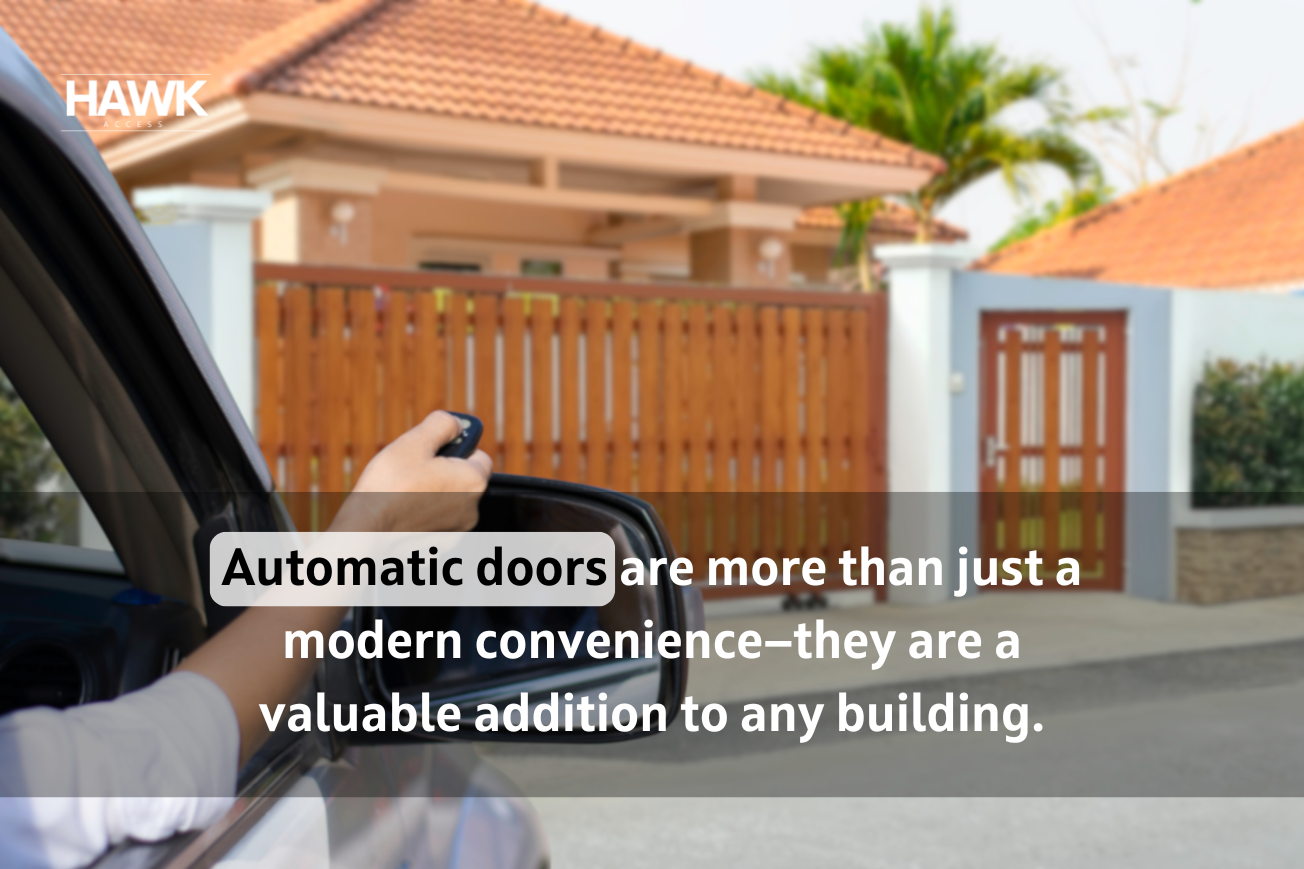
- Residential Homes: Automated garage doors, front doors, and patio doors offer convenience and security.
- Commercial Buildings: Automated doors are widely used in retail stores, offices, hotels, and hospitals.
- Industrial Facilities: Automated doors are essential in warehouses, factories, and manufacturing plants.
- Public Spaces: Automated doors are commonly found in airports, train stations, and shopping malls.
Technological Advancements
The field of door automation is continually evolving, with advancements in technology driving innovation. Some notable trends include:
- Integration with Smart Home Systems: Automated doors can be connected to smart home hubs, allowing for remote control, voice activation, and integration with other devices.
- Biometric Authentication: Fingerprint or facial recognition technology can be incorporated into automated doors, providing a secure and personalized access experience.
- Solar-Powered Automation: Solar energy can be used to power automated doors, reducing reliance on traditional energy sources.
Please note: We do not install or consult on locks, but every door we fit is ready for your chosen security hardware.
Conclusion
- Door automation is more than just a convenience; it’s a significant step toward smarter, safer, and more efficient buildings. Whether it’s through sliding, swinging, or even maglev doors, the various types of automated systems available today cater to a wide range of needs and preferences. As this technology continues to evolve, we can expect even more innovative solutions that will further enhance the way we interact with the spaces around us. We use only the best equipment and accessories for door automation, ensuring top-notch performance, reliability, and long-lasting durability for every installation.
FAQs About Door Automation
Q: What is the lifespan of an automated door system?
A well-maintained automated door system can last 10-15 years, depending on usage and quality.Q: Can automated doors be used in homes?
Absolutely! Automated doors are increasingly popular in smart homes for convenience and security.Q: Are automated doors safe for children and pets?
Yes, most systems come with safety sensors to prevent accidents involving children or pets.Q: What maintenance is required for automated doors?
Regular inspections, lubrication of moving parts, and software updates are essential to keep the system functioning.Q: Can I upgrade my existing door to an automated system?
In most cases, yes! Retrofitting an existing door with automation technology is a feasible option.
Disclaimer
The information provided on this blog is for general informational purposes only and does not constitute professional advice. While we strive to keep the information accurate and up to date, we make no warranties of any kind. Readers are advised to verify information before acting upon it.